


Waterways Committee
Waterways Committee
Major Projects:
The NW Cape Waterways Committee is a small group of NWNA Members with a passion for boating and the sustainability of our waterways and estuary. The committee's primary focus is on finding additional navigable access to Charlotte Harbor.
An additional focus for the committee is to think broadly about the current and future state of our waterways, respecting the estuary, and making strategic recommendations on sustainability and accessibility for residents.
Overview
Designing and implementing additional navigational access to Charlotte Harbor from the Northwest Spreader Waterway. Developing a strategy to ensure the sustainability of the Northwest Spreader Waterway.

Chairman: Kelly Dungan
Email: waterways@nwcape.com

The “Cut Project” Proposed Route
9/24/2026 - Cape Coral Hosting Public Meeting for North Cape Coral Alternative Restoration Plan
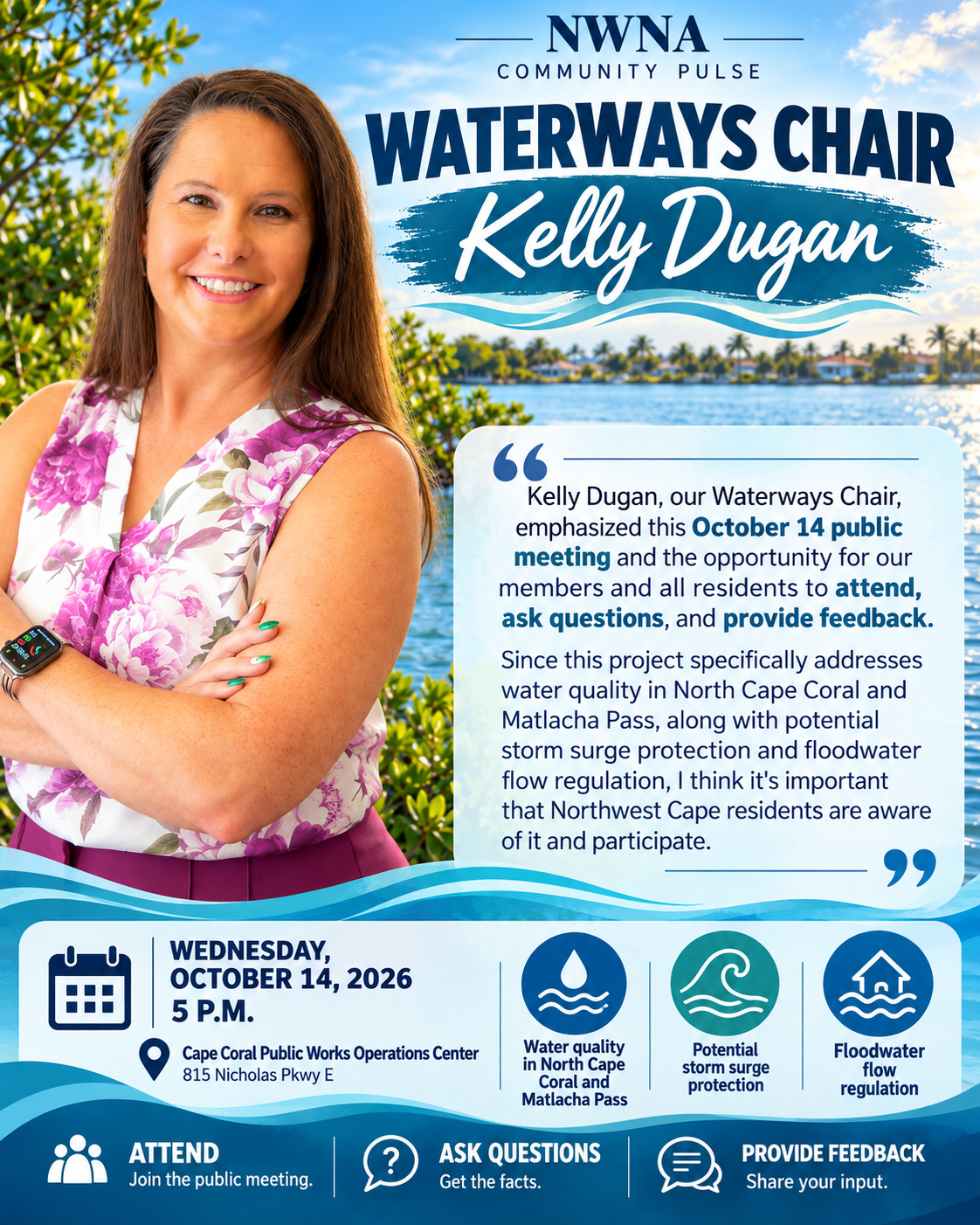
The City of Cape Coral invites the community to participate in the kickoff meeting for the North Cape Coral Alternative Restoration Plan. The project will address nutrient-related water quality impairments in North Cape Coral and nearby coastal waterways.
This meeting will be held Wednesday, October 14, 2026, starting at 5 p.m. at the Cape Coral Public Works Operations Center, 815 Nicholas Pkwy E.
Attendees will hear from City staff and the project's consulting team about the work underway to develop an alternative restoration plan.
Residents will have an opportunity to ask questions, learn more about the project, and share feedback with the project team.
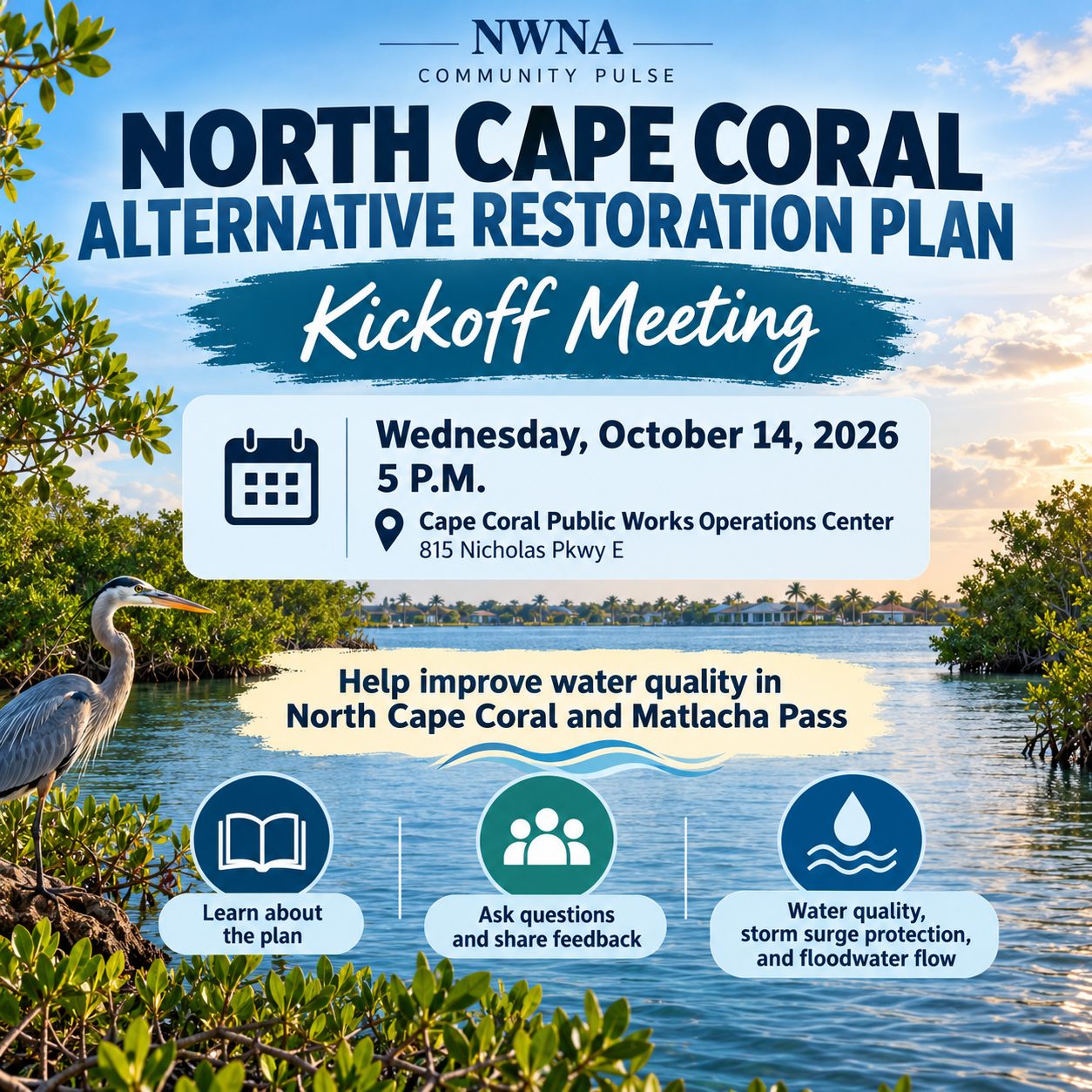
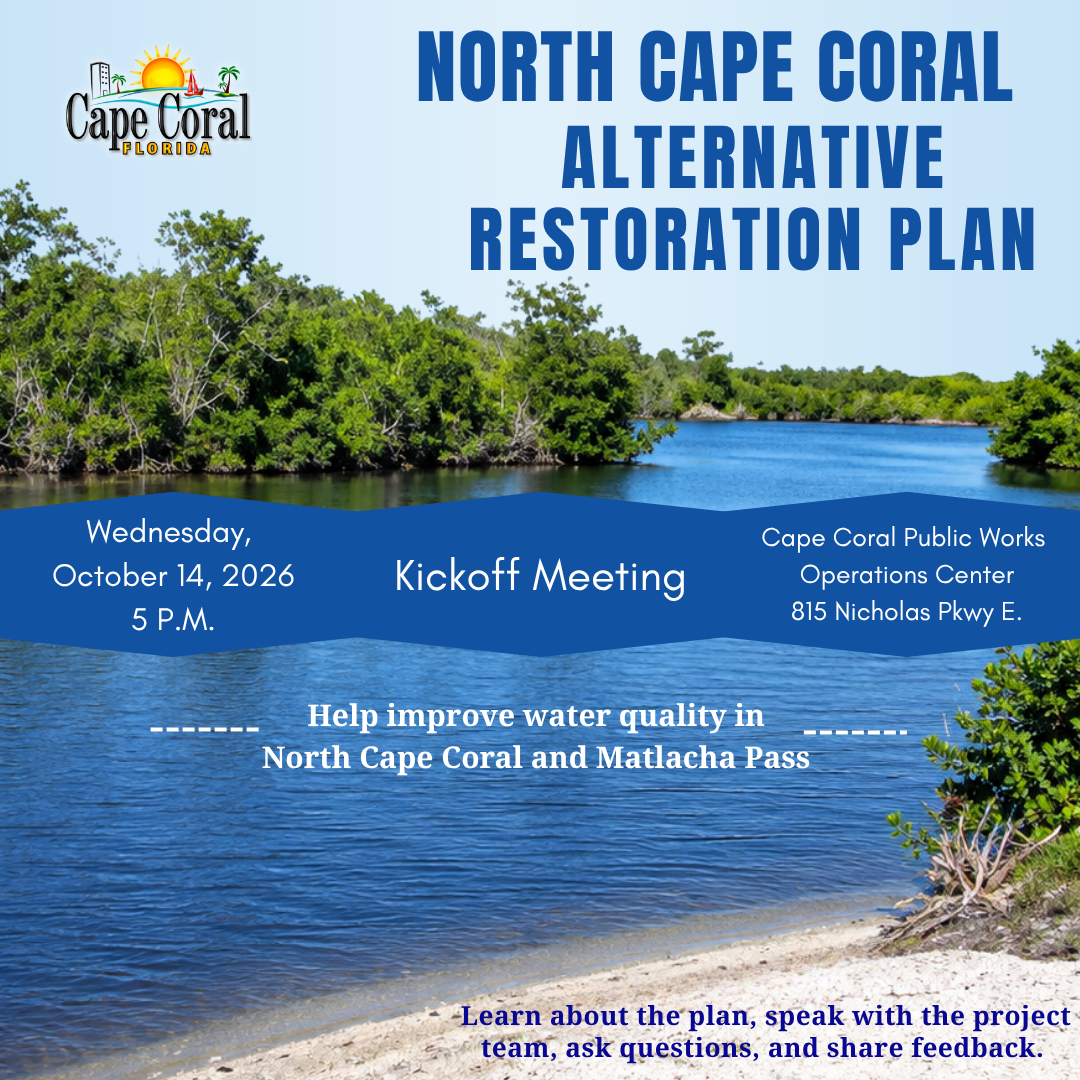
The plan will focus on improving water quality in the creeks and canals of North Cape Coral and Matlacha Pass. The project will also evaluate opportunities related to storm surge protection and floodwater flow regulation.
The City encourages community members to attend the meeting, learn more about the project, and provide input on the future of Cape Coral's water resources.
For more information on the North Cape Coral Alternative Restoration Plan, click here.


Sept. 24, 2025
by Melissa Mickey
Cape Coral Communications Manager
Credit: Florida Weekly

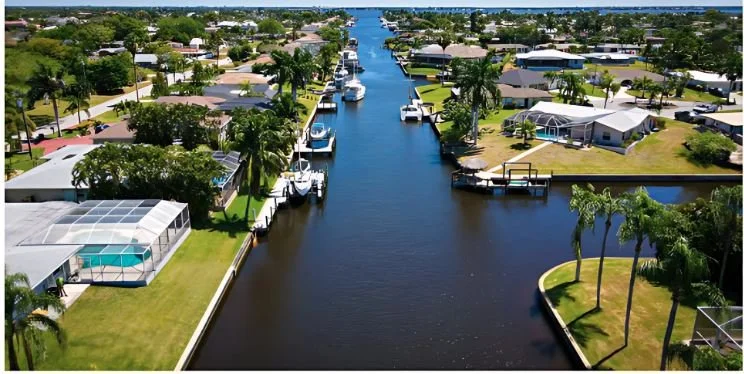
Cape Coral’s Canals: The Backbone of a Resilient City
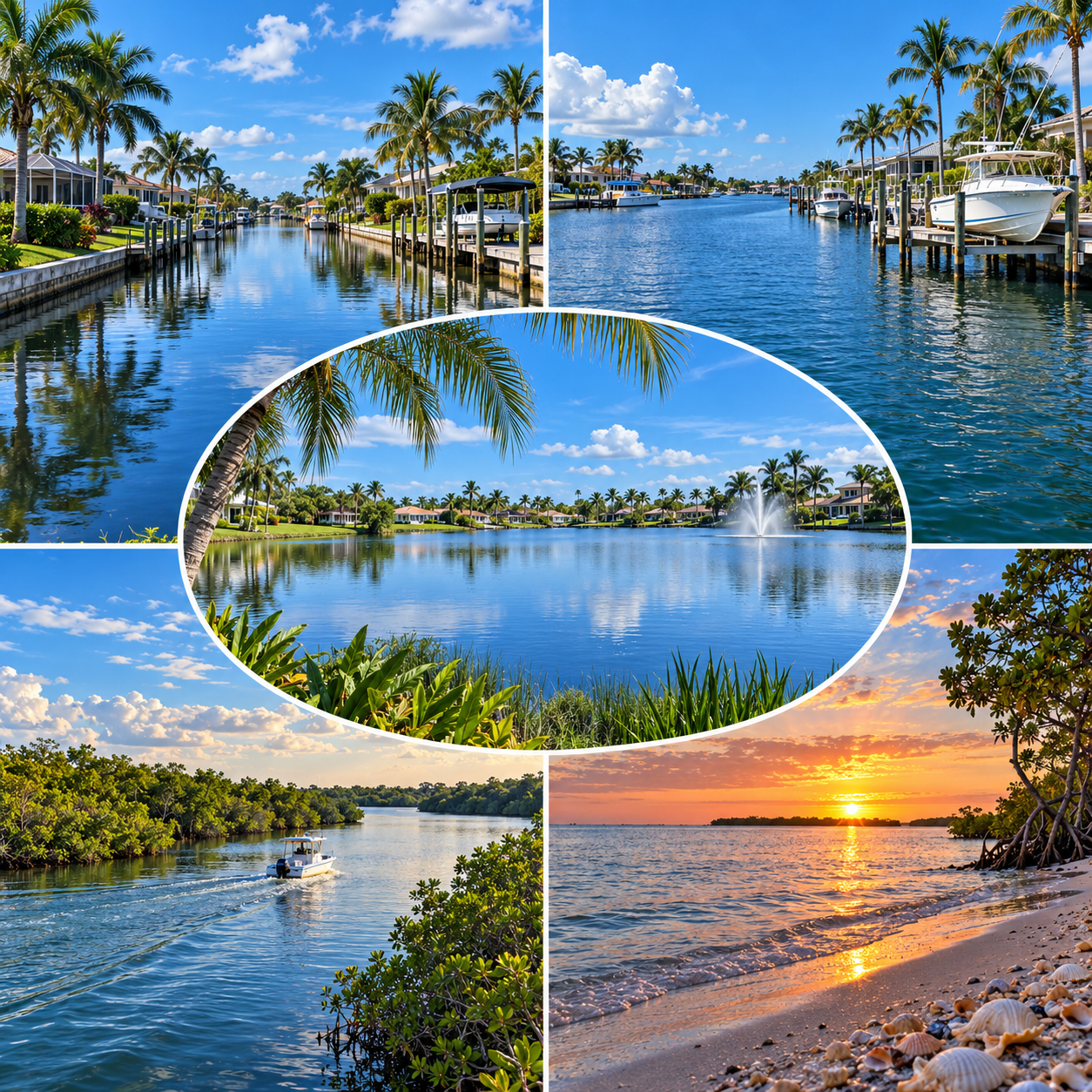
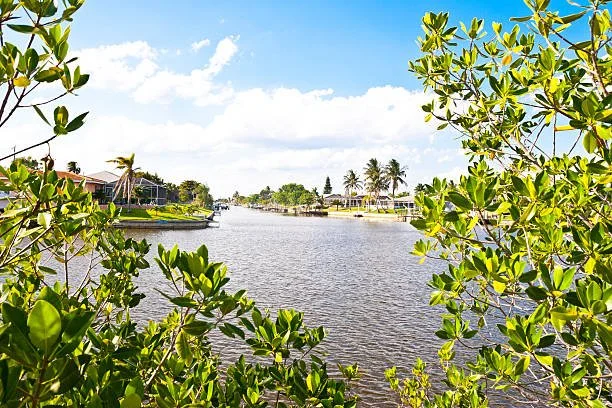
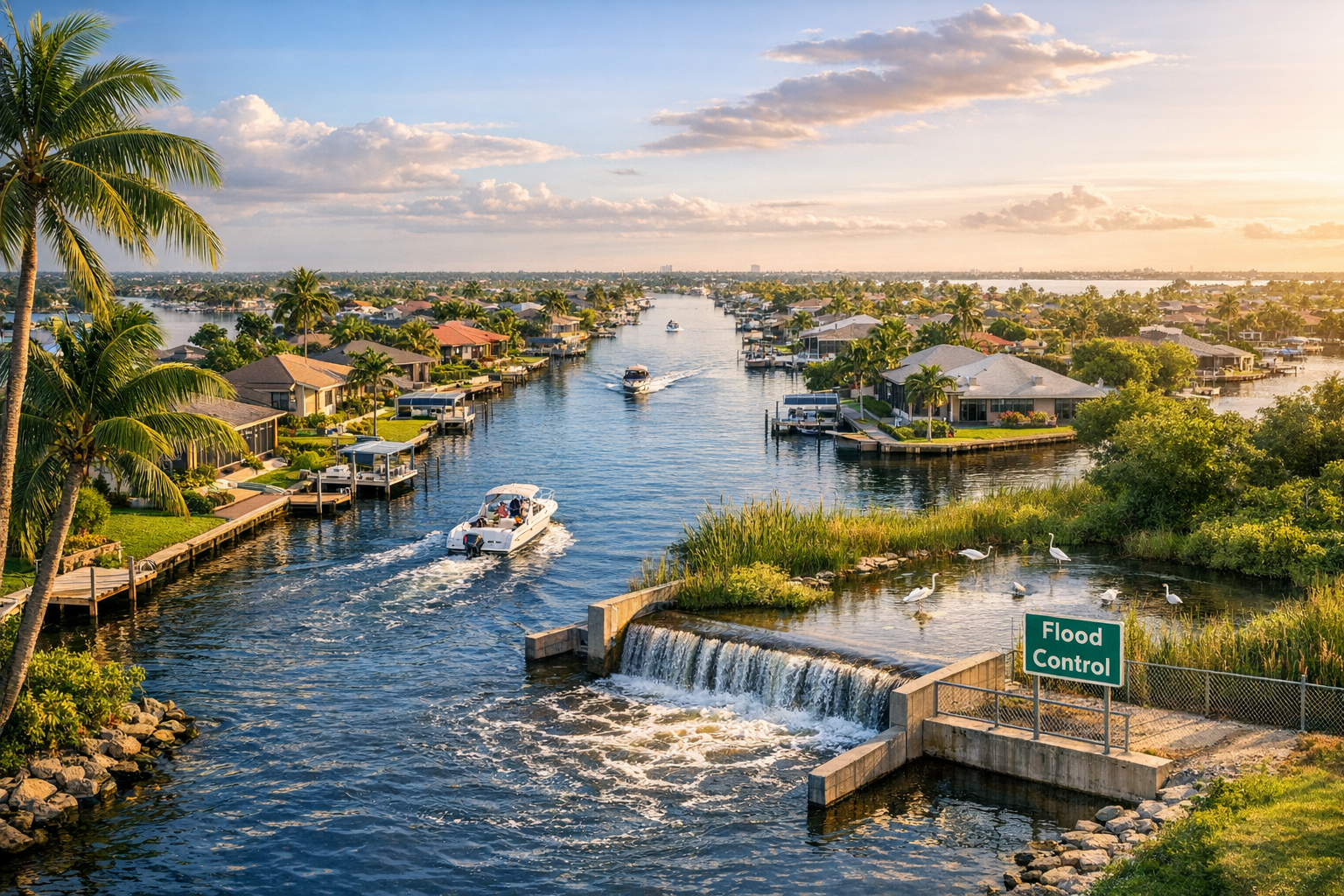
When people think of Cape Coral, Florida, what often comes to mind first is water: palm-tree-lined canals and a boating lifestyle. With over 400 miles of navigable canals—more than Venice, Italy—this Southwest Florida city has been referred to as a “Waterfront Wonderland.” Yet few realize that Cape Coral’s canals are far more than a recreational perk; they are the city’s essential stormwater and flood prevention system, engineered to serve both people and nature.
Building a city from water
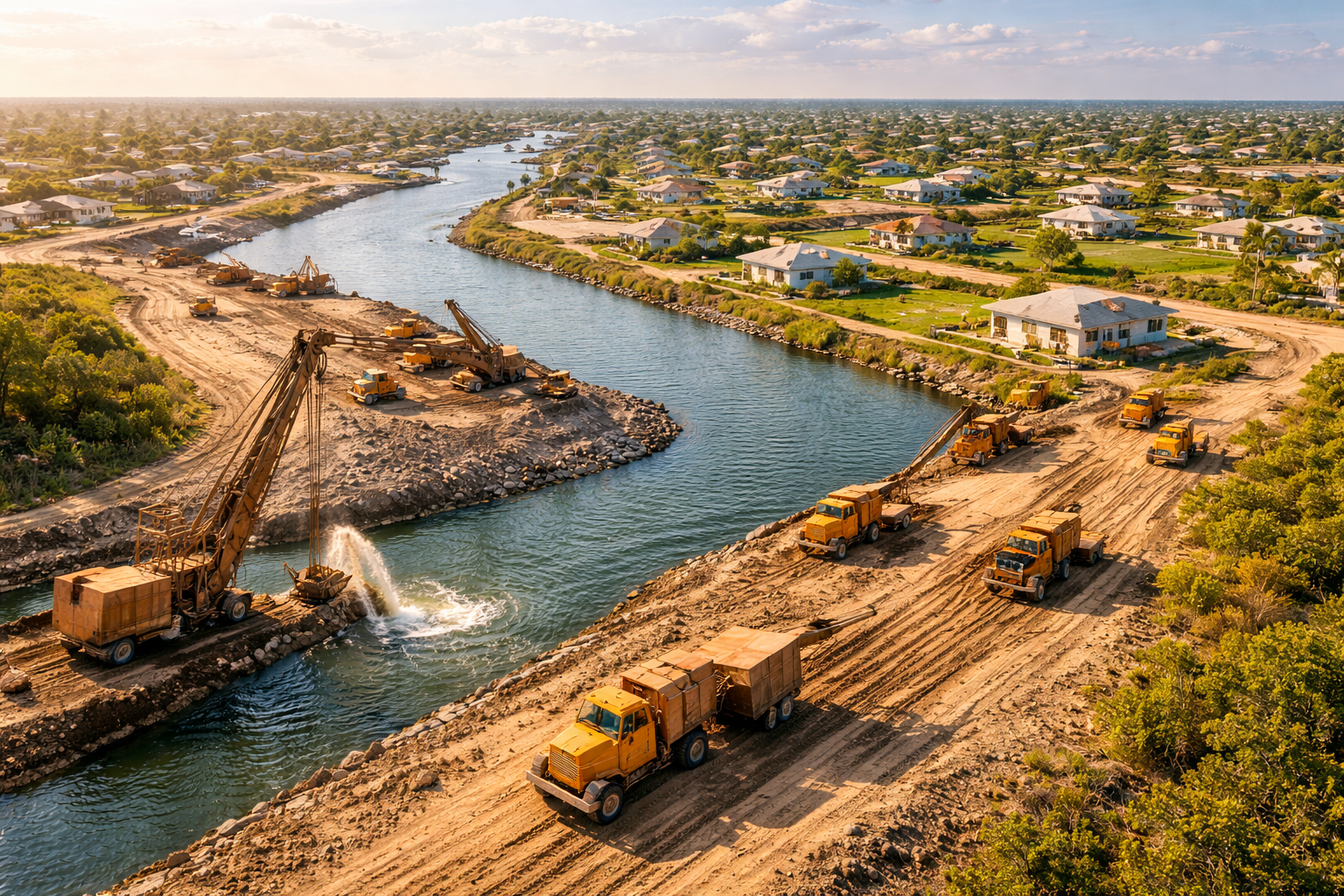
Cape Coral’s story began in the late 1950s, when brothers Jack and Leonard Rosen envisioned a master-planned community on 115 square miles of low-lying coastal land. The land was naturally marshy and prone to flooding, which meant that transforming it into a thriving city required vision and innovation. The developers invested millions in Earth-moving equipment, employing hundreds of workers who operated around the clock to create what would become an iconic canal network. These canals weren’t built simply for aesthetics or boating access: the soil excavated from canal construction was used to elevate house lots safely above historically flood-prone levels.
Over decades, the result was a city whose neighborhoods, commercial areas, and parks are linked not just by roads and sidewalks but also by water—an interconnected system of freshwater and saltwater canals, lakes, and basins
Cape Coral’s stormwater solution
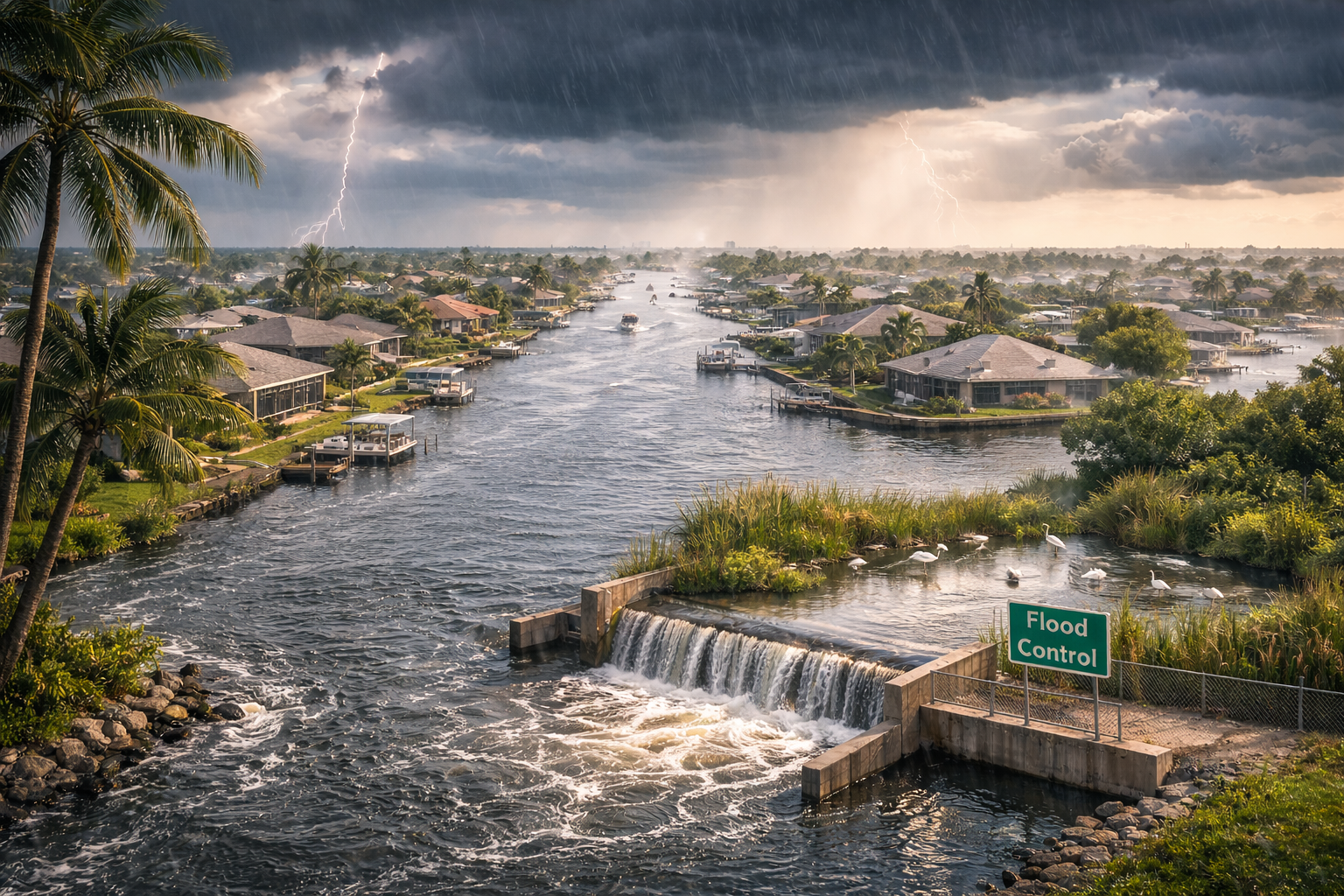
Why were these canals critical? Cape Coral sits in a region with heavy seasonal rains, especially in summer when Florida’s afternoon storms can drop several inches in just a few hours. The canals act as both collectors and conduits: rainwater and runoff from yards, streets, and businesses flow downhill and into the canal network. Instead of pooling on roads or flooding homes, the water gets stored, distributed, and gradually discharged into the Caloosahatchee River or coastal estuaries.
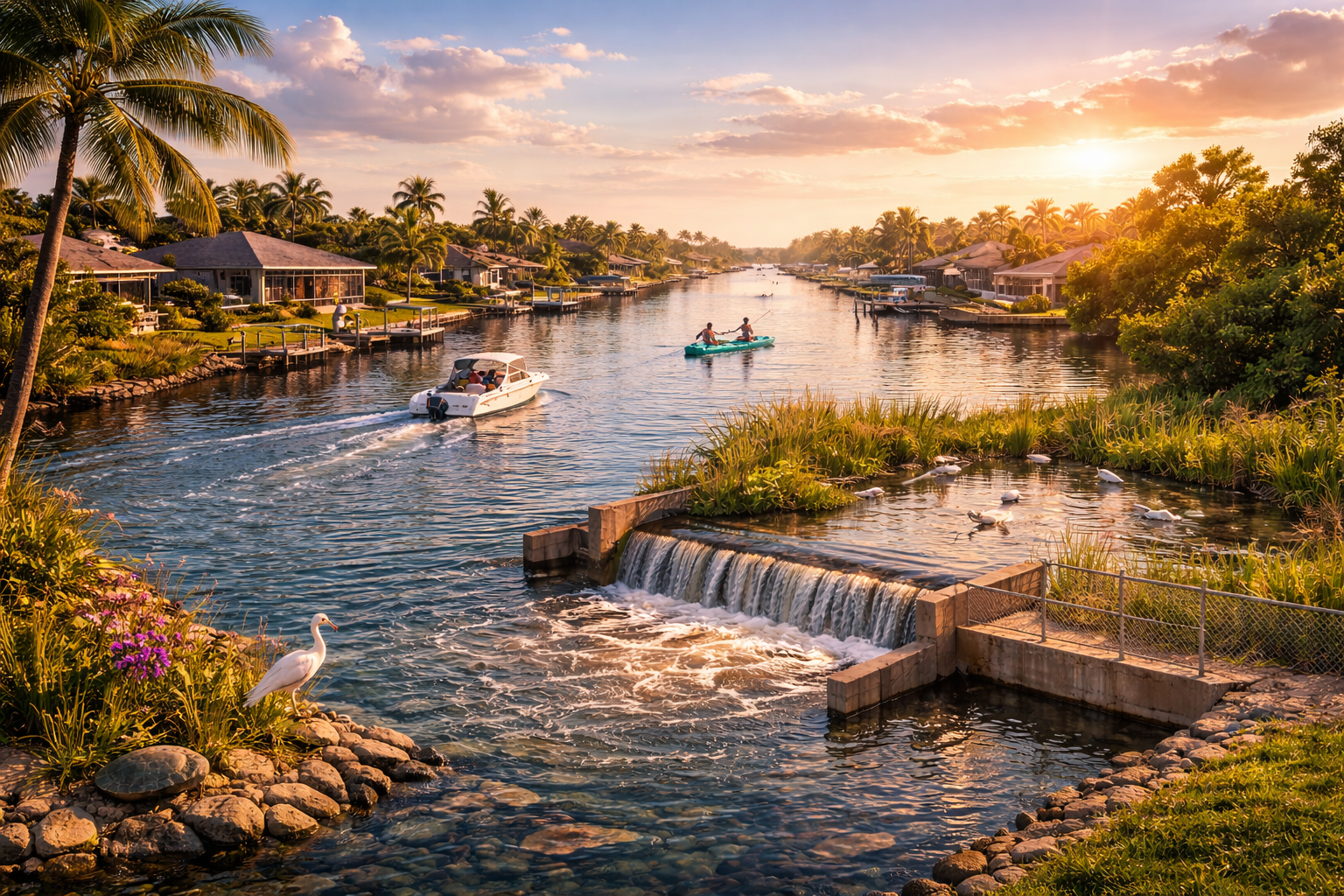
Cape Coral’s entire stormwater management program essentially revolves around its canal system. Freshwater canals collect most of the city’s rainfall runoff. Water control structures like weirs and gates help regulate levels and control the rate of outflow. When extreme weather hits—such as hurricanes or major tropical downpours—the canals function as emergency reservoirs, allowing water to rise without threatening property while slowly draining excess water away. These systems also help manage the quality of water leaving the city by providing natural filtration and settling time for pollutants.
More than flood prevention
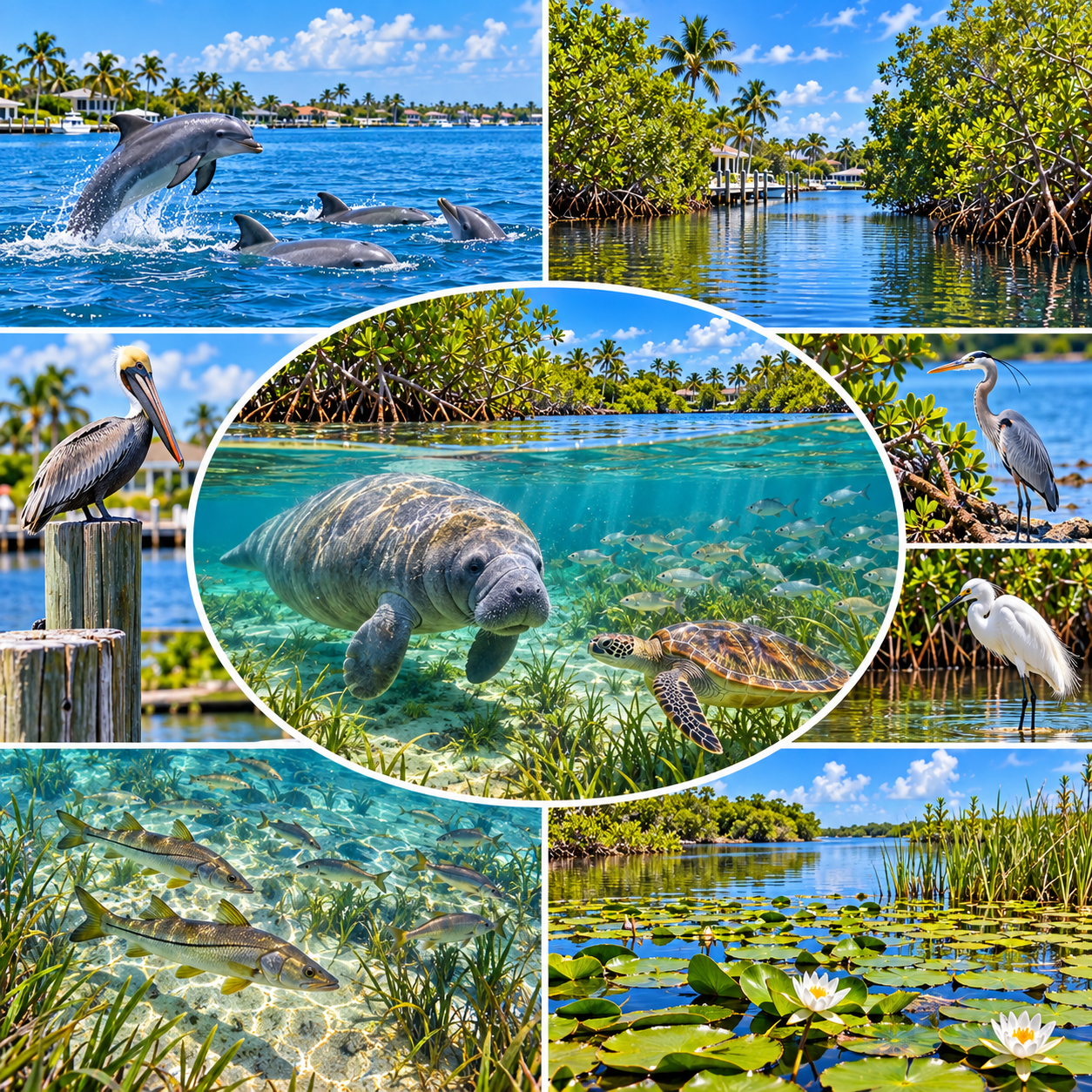
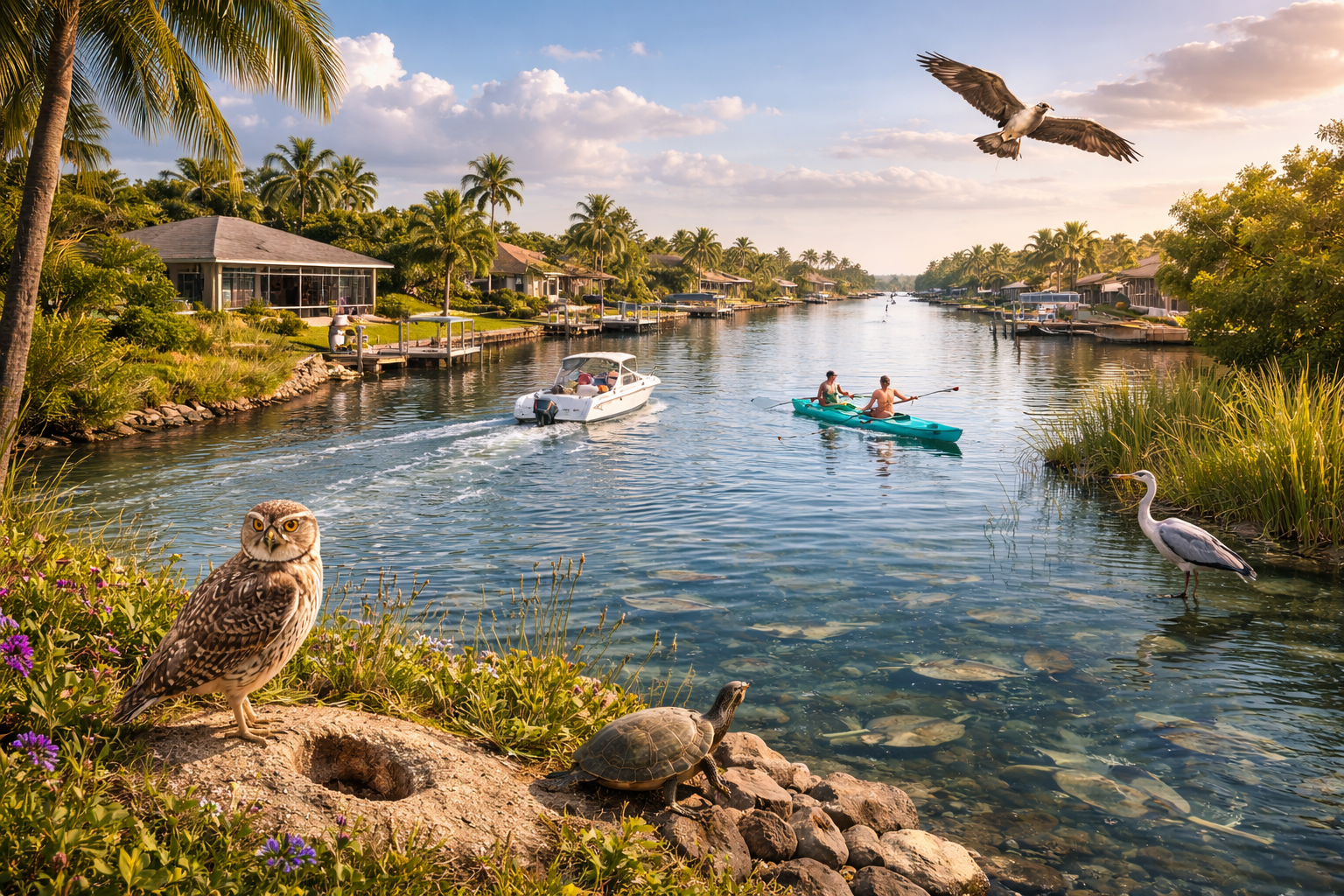
The canals provide other vital benefits, too. Cape Coral’s canal water is a key source for landscape irrigation, supplementing other supply systems during dry periods. Their design also supports wildlife habitat, offering refuges for fish, birds, turtles’ and even threatened species like the burrowing owl along canal banks.
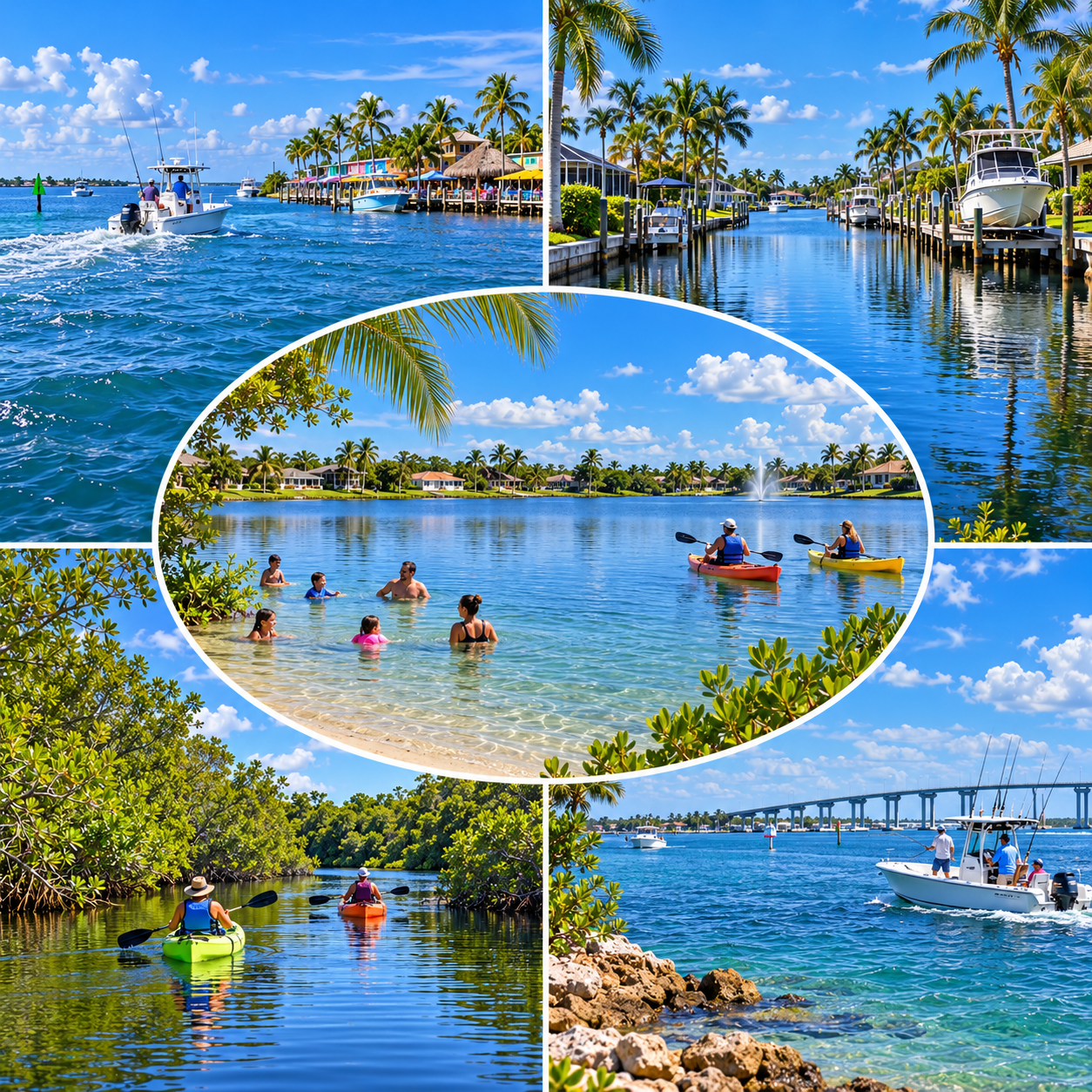
While the recreational opportunities afforded by Cape Coral’s waterways—boating, fishing, kayaking—are renowned, they are sustained by the city’s original purpose: stormwater and environmental management.
Protecting and maintaining the system
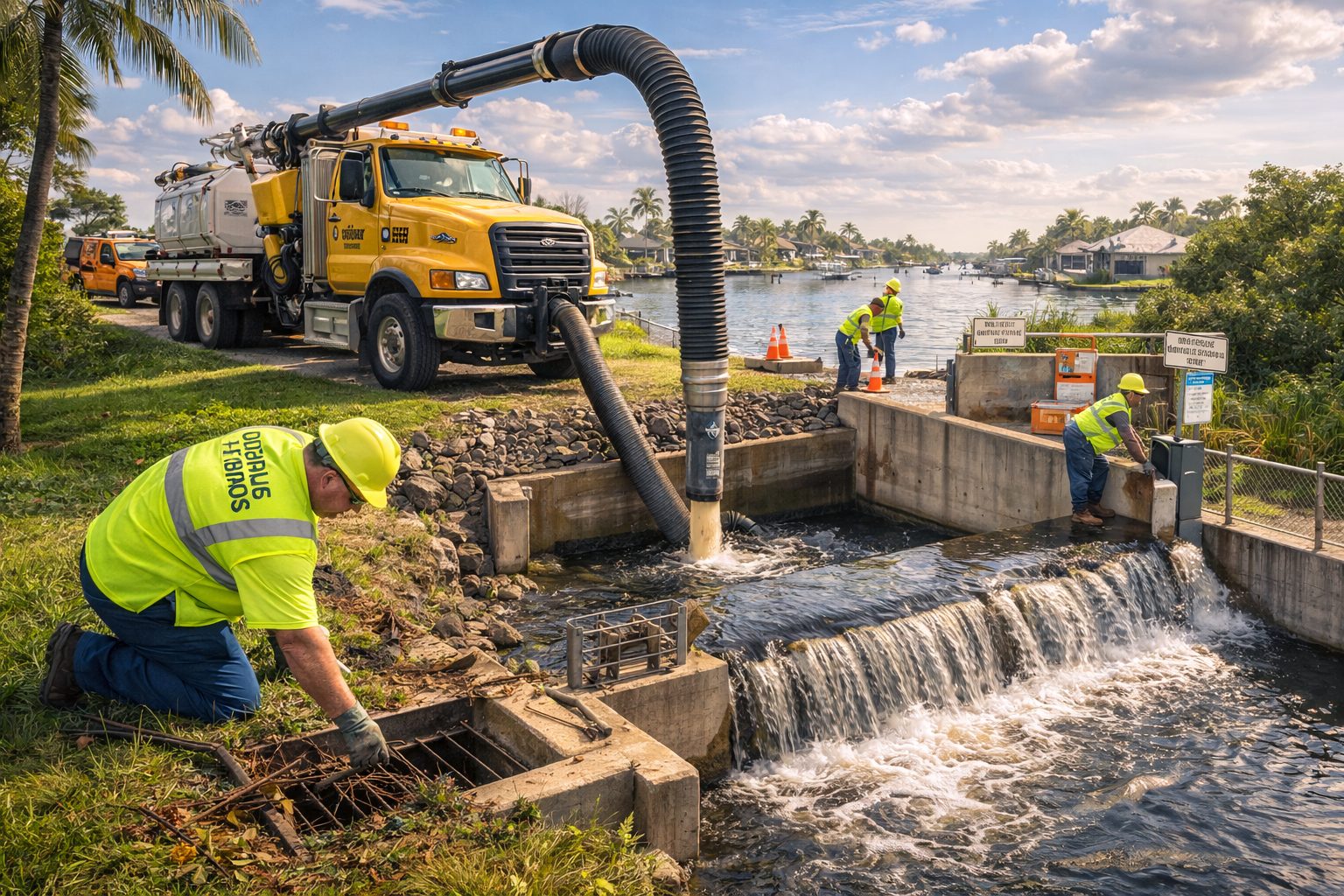
Over time, the city has invested in upgrading and maintaining its stormwater infrastructure. Routine inspections, debris removal, and repairs to weirs and gates are coordinated year-round—and after major storm events—by the city’s public works crews. The city’s stormwater master plans set “levels of service” for canal and drainage maintenance, ensuring compliance with local, state and federal water quality rules.
Management of the system goes beyond operations: legal and permitting efforts with the Florida Department of Environmental Protection have shaped how water is managed between saltwater and freshwater systems. The city monitors water quality and stormwater performance, and residents help by keeping fertilizer and yard debris out of swales, drains and canals.
Looking ahead
With Cape Coral’s population continuing to grow at one of the fastest rates in Florida, the role of canals in stormwater management, flood prevention and ecosystem protection is more important than ever. As rainfall patterns and coastal conditions evolve, the city’s integrated water management approach ensures Cape Coral remains resilient and serves as an example for other coastal communities.
Next time you admire the tranquil canals of Cape Coral, remember that beneath the surface, those canals are hard at work, keeping a city safe, sustainable and thriving.


Waterways Updates
July 25, 2025 - Cape Coral celebrates completion of Chiquita lock removal
The City of Cape Coral recently celebrated a significant milestone with the completion of the Chiquita Lock Removal, hosting a vibrant community gathering at Cape Harbour on Friday, July 25. This event not only featured a ribbon-cutting ceremony but also brought residents together for an afternoon filled with delicious food and exciting giveaways, all completed ahead of schedule. The removal of the Chiquita Lock is a transformative step towards enhancing local infrastructure and fostering a healthier environment, perfectly aligning with NWNA’s mission to uplift our community. This occasion exemplified the collaborative spirit that NWNA champions, showcasing the vital role that community engagement plays in shaping our neighborhood. We warmly invite all residents to join in celebrating this achievement and to recognize the importance of your participation in our shared journey. We encourage you to share your experiences from the event, as your stories foster connections and dialogue among our members. Let’s continue to engage with NWNA’s initiatives and embrace the opportunity to shape a vibrant and thriving community together!
July 25, 2025 - City Celebrates 30 Years of Canalwatch, Welcomes New Participants
The City of Cape Coral is proud to celebrate the 30th anniversary of the Canalwatch Volunteer Program and invites community-minded citizens to join this vital initiative to help protect our waterways.
For three decades, Canalwatch has been a proactive, community-driven effort dedicated to educating residents about water quality, fostering open communication between the city and its citizens, and strengthening a shared sense of responsibility for Cape Coral’s unique canal system.
Canalwatch volunteers collect environmental data and water samples from designated sites across Cape Coral each month. The City's water quality laboratory analyzes these samples, providing valuable insights that guide canal management and help keep our waterways clean and healthy for everyone.
We welcome new volunteers of all backgrounds. No prior experience is necessary, and full training is provided. If you're interested in volunteering or learning more about Canalwatch, please contact Harry Phillips at 239-574-0785 or hphillip@capecoral.gov.
Additional Resources:
